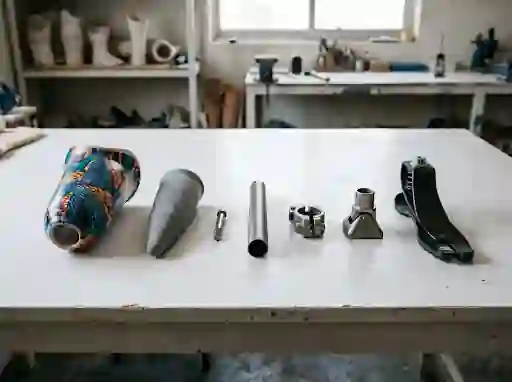
What you pay for, part by part
The socket is made by us for every build and is the part that decides comfort. A laminated socket with a test socket is the base of every price.
The liner and suspension move the price next. Socks and a sleeve cost little; a silicone liner with a pin lock adds tens of thousands; seal-in or elevated vacuum systems add more.
The foot creates the widest spread. A SACH foot is inexpensive and tough; dynamic and carbon fibre feet cost several times more; premium carbon and hydraulic ankle feet sit at the top.
Pylon, adapters and cover make a smaller difference: titanium is lighter than steel, and a shaped cover adds a few thousand to tens of thousands of rupees.
Where spending more really helps
- A silicone liner for bony, scarred or sensitive stumps, and for anyone with rubbing in socks.
- A carbon fibre foot for people who walk long distances or are on their feet at work all day.
- Vacuum suspension for active users with a settled stump who have pistoning or skin problems on other systems.
Where it does not help
An imported foot on a poor socket is money wasted; fix the socket first. A premium carbon foot adds little for someone who walks mostly at home, where a SACH or multiaxial foot is just as good. And in the first year, while the stump is still shrinking, it often makes sense to start with a simpler build and upgrade the foot or liner once the socket has settled.
How to compare quotes
When you compare prices from different clinics, ask exactly what is included: Is there a test socket? Is walking training included? Which foot and which liner, by name? Are follow-up adjustments part of the price? A quote that looks cheaper may leave out the steps that make a leg comfortable.
Costs after the first leg
Expect a new socket within one to three years in the early years, from Rs 40,000. Liners wear out in about a year of daily use, and feet last three to five years. Our guide to upkeep over the years sets out a five-year example.