Sleeve suspension Rs 250,000 to 500,000
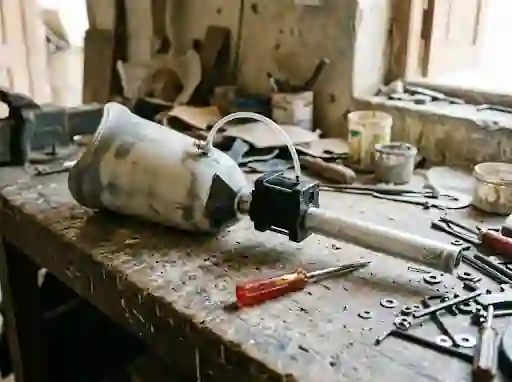
A sealing sleeve over the socket with a one-way valve. The simplest vacuum system.
- Assessment
- Test socket
- Training
Seal-in and elevated vacuum
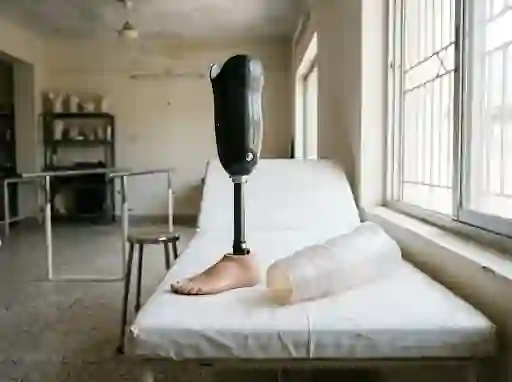
Vacuum suspension holds the socket on with suction instead of a pin or strap, so the stump and socket move as one. Less movement means less rubbing, better control and a leg that feels lighter, and some systems actively draw air out as you walk.
Reviewed by Ummad Shafique Mughal, Consultant Orthotist and Prosthetist. Updated October 2026.
In short
The short answer
In a vacuum socket, the air between the liner and the socket is pushed out through a one-way valve, so the socket is held on by negative pressure. Passive systems use a seal-in liner or a sealing sleeve with an expulsion valve. Elevated vacuum systems, such as the Ottobock Harmony or the Össur Unity, add a small pump that keeps drawing air out as you walk, which also helps keep the stump size steady through the day.
A below knee leg with vacuum suspension typically costs Rs 250,000 to 900,000 or more.
Is it right for you?
Systems
From a simple sealing sleeve to a pump that keeps working as you walk.
| System | How the seal works | Typical user | Indicative price of the leg |
|---|---|---|---|
| Sleeve with valve | An outer sleeve seals the top of the socket | Moderate activity | Rs 250,000 to 500,000 |
| Seal-in liner | Rings on the liner seal inside the socket | Active users | Rs 300,000 to 650,000 |
| Elevated vacuum | A pump keeps drawing air out | Very active users | Rs 600,000 to 900,000+ |
Cost in 2026
Rs 250,000 to 900,000+open top end: imported parts
A sealing sleeve over the socket with a one-way valve. The simplest vacuum system.
A liner with built-in sealing rings, so no outer sleeve is needed.
A mechanical or electric pump that keeps the vacuum strong as you walk.
Indicative ranges. A firm figure comes in writing after the free assessment and does not change without your agreement. Full cost guide.
Your visits
How steady your stump size is, your skin and your activity.
Sleeve, seal-in liner or pump system.
We check the seal and comfort standing and walking.
Putting it on, checking the seal and what to do if it is lost.
Coming from out of town? Tell us your dates and we will plan the visits close together.
When you push the stump into the socket, the air beneath it escapes through a one-way valve. A seal, either rings on the liner or a sleeve over the top of the socket, stops air getting back in. As you lift the leg, the vacuum holds the socket to the liner. With an elevated vacuum pump, the air is drawn out continuously, making the hold even firmer.
Every millimetre the stump moves inside the socket means rubbing, lost energy and a leg that feels heavier than it is. With vacuum, the socket moves with the stump, so control is better, the leg feels lighter and many users have fewer skin problems. Users often say they feel the ground better through the leg.
A vacuum socket fits a stump of a particular size. If the stump swells or shrinks a lot during the day, the seal can be lost or the fit becomes too tight. That is why vacuum suits stumps that have settled, and why it is usually not the first choice soon after surgery. Elevated vacuum systems help here, because the continuous suction tends to keep the stump size steadier.
Keep the valve clean and free of sand, put the leg on carefully so the seal sits right, and check the valve before walking. Heavy sweating can affect the seal in summer; dry the liner at midday. If you feel the socket loosen or hear air, stop, press the valve and push the stump back in firmly. For wudu, the leg comes off quickly once the valve is released.
Travelling to us?
Tell us your city or country and your travel dates when you call. We plan the visits as close together as the stump allows, so most patients can finish the casting, test socket and fitting in one stay, whether they come from Quetta or fly in from Dubai, with a shorter trip later for adjustments if needed.
Questions
Air is pushed out through a one-way valve when you put the leg on, and the seal stops it coming back in, so suction holds the socket to the liner.
For active users with a fairly steady stump size, it gives the firmest, most controlled fit and often fewer skin problems. For others, a pin lock is simpler and costs less.
You will feel the socket loosen or hear air. Stop, press the valve and push the stump back in firmly. If it keeps happening, the liner, sleeve or socket needs checking.
Usually not, because the stump changes size too much early on. A temporary leg with socks is better until the stump has settled.
Related
A cushioned second skin between stump and socket, for comfort and grip.
Read moreA pin on the liner clicks into the socket and holds the leg on.
Read moreThe part you feel all day, cast and test-fitted to your stump.
Read moreThe most common leg we fit: your own knee bends, the socket and foot do the rest.
Read moreWe import and fit parts from Ottobock, Össur, Blatchford, Proteor, Fillauer and other makers to order, and we are independent of all of them. Brands we fit.
Fill this in and WhatsApp opens with your message ready to send. Add a photo of the stump in the chat if you can; it tells us more than any description.
Prefer to talk? Call +92 337 841 4002 at any hour.