
Before you travel
The worst outcome is a long journey to find the stump is not ready. Send us clear photos from the front and side, the surgeon's notes and any X-rays on WhatsApp, and tell us the level of amputation and when the surgery was. We will tell you whether to travel now or wait, and what to do meanwhile.
How long to stay
With a ready stump, most new legs need one to two weeks: the assessment and casting first, the test socket a few days later, then the final fitting and training. A new socket for an existing leg is often quicker. If you cannot stay that long, a temporary leg can split the work into two trips.
What to bring
- The surgeon's discharge notes, X-rays and recent reports
- Your CNIC, and your old leg, liners and socks if you have them
- The shoes you wear most days
- Loose trousers or shalwar that fit over the leg
- Any medicines you take, with the prescription
- A family member to help on the journey
By road, rail or air
On long road journeys, stop every couple of hours so the patient can stretch, and keep the stump raised when you can. On trains, a lower berth near the door makes moving with crutches easier. When flying, ask the airline for wheelchair assistance at both ends when you book. Our city pages have travel notes for each part of Sindh and Balochistan.
Flying with a prosthetic leg
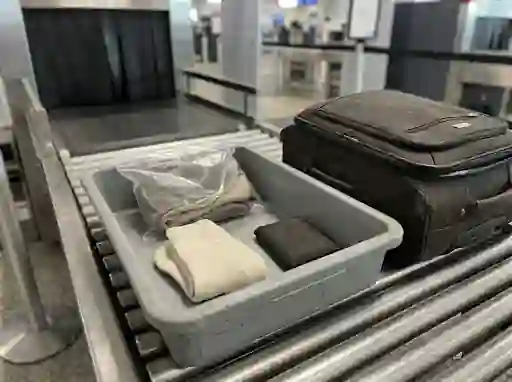
Carry the leg in the cabin or wear it, rather than checking it in. Tell security staff before screening that you wear a prosthesis; it will set off metal detectors, and staff may ask to inspect it. Keep spare socks, a liner and the charger for any electronic knee in your hand luggage, and choose an aisle seat if you can.
Going home with the leg
After you go home, send photos or short videos on WhatsApp if anything changes. Many questions can be answered that way. If an adjustment needs a visit, we plan it to be short. Families abroad can read how it works from abroad.