Local build Rs 80,000 to 150,000
A laminated socket with a soft foam inner layer and socks, and a cushioned SACH foot. Sound for many first legs.
- Free assessment
- Test socket
- Skin checks
Diabetic amputation
A stump after a diabetic amputation heals more slowly, feels less, and needs a softer socket and closer checks than other stumps. We fit with that in mind, and we look after the other foot too, because it carries more weight from now on.
Reviewed by Ummad Shafique Mughal, Consultant Orthotist and Prosthetist. Updated October 2026.
In short
The short answer
The leg is built from the same parts, most often for a below knee amputation. What changes is how carefully it is fitted. Diabetes reduces feeling in the skin, so you may not notice a pressure sore starting, and it slows healing, so a small sore can become a big problem. We use soft liners, check the skin at every visit, start with short wearing times, and look after the remaining foot as closely as the stump.
Below knee legs start from Rs 80,000 and above knee legs from Rs 150,000.
Is it right for you?
What we choose
Every choice aims to spread pressure and protect skin that feels less than it used to.
| Part | What we usually choose | Why it matters with diabetes |
|---|---|---|
| Liner | Soft gel or silicone liner | Cushions skin that feels less and heals slowly |
| Socket | Total surface bearing socket with a flexible inner wall | Spreads pressure and avoids hard edges |
| Suspension | Sleeve or pin lock with a soft liner | Holds the leg on without tight straps |
| Foot | Stable, cushioned foot | Reduces shock to the stump and the other leg |
| Shoes | Soft, roomy shoes for both feet | Protects the remaining foot from new ulcers |
Cost in 2026
The level of amputation sets the price. Diabetes changes the choice of liner and socket more than the cost.
Rs 80,000 to 900,000+open top end: imported parts
A laminated socket with a soft foam inner layer and socks, and a cushioned SACH foot. Sound for many first legs.
A gel liner with a total surface bearing socket and an imported cushioned foot. Our usual advice for a diabetic stump.
Premium liners, vacuum suspension and imported feet for active walkers whose skin is healthy.
Indicative ranges. A firm figure comes in writing after the free assessment and does not change without your agreement. Full cost guide.
Your visits
Healing, feeling, blood flow and the other foot, with your reports.
Gentle casting once the stump is ready.
Close checks for pressure marks on skin that feels less.
Short wearing times at first, increased week by week.
Skin and fit checks, and advice for the other foot.
Bring your latest sugar reports and the surgeon's notes to the first visit.
Diabetes damages small nerves and blood vessels. The skin feels less, heals more slowly, dries out and fights infection less well. A pressure point that would hurt someone else may go unnoticed until the skin breaks, and a sore that would heal in days can take weeks.
None of this stops people with diabetes from walking well on an artificial leg. It simply means the socket must be gentler, the start slower and the checks more frequent.
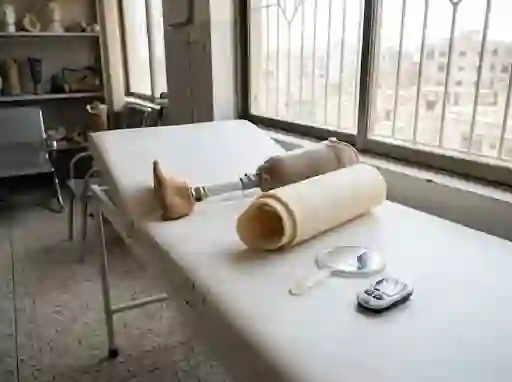
In the first days, wear the leg for an hour or two at a time, then take it off and check the skin with a mirror. Increase the time a little each day. Red marks should fade within twenty minutes of taking the leg off; if they do not, or if the skin breaks, stop wearing the leg and call us.
Wear clean liner socks, keep the liner washed, and do not walk long distances in the first weeks even if the leg feels fine.
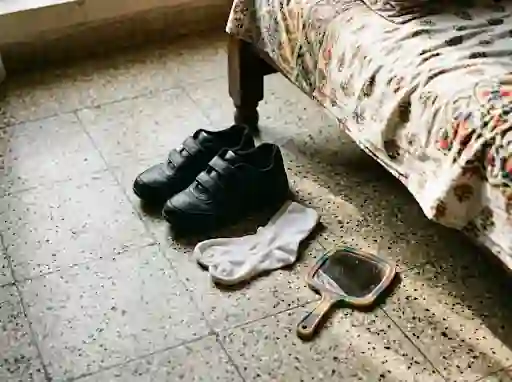
After one amputation, the other foot carries more weight and is at higher risk of its own ulcer. Check it every day, never walk barefoot, even at home or in the mosque, wear soft roomy shoes, keep the nails trimmed carefully and see your doctor at once for any redness, swelling or sore. Ask us at your visit about a protective insole.
Good sugar control helps the stump heal and keeps the skin healthier. The size of the stump can also change with fluid, especially for patients on dialysis, so the fit may vary from day to day. Work with your doctor on sugar control, and let us adjust the socket with socks and pads as the stump changes.
Travelling to us?
Tell us your city or country and your travel dates when you call. We plan the visits as close together as the stump allows, so most patients can finish the casting, test socket and fitting in one stay, whether they come from Quetta or fly in from Dubai, with a shorter trip later for adjustments if needed.
Questions
Often eight to twelve weeks after surgery, sometimes longer, because healing is slower with diabetes. We fit only once the wound is fully closed and the swelling has settled.
A well-fitted socket with a soft liner should not, but because diabetes reduces feeling, check the skin every day. Red marks that have not faded twenty minutes after taking the leg off, or any broken skin, mean you should stop wearing the leg and call us.
Not much. The level of amputation sets the price. Diabetes changes the choices, usually towards a soft gel liner, which adds a little to a basic build.
Check it every day, never walk barefoot, wear soft roomy shoes, keep nails trimmed carefully and see your doctor at once for any redness or sore. Ask us about a protective insole at your visit.
Related
The most common leg we fit: your own knee bends, the socket and foot do the rest.
Read moreA cushioned second skin between stump and socket, for comfort and grip.
Read moreToe fillers, insoles and silicone partial feet that protect what remains.
Read moreShrinker socks, wrapping and exercises that prepare the stump.
Read moreWe import and fit parts from Ottobock, Össur, Blatchford, Proteor, Fillauer and other makers to order, and we are independent of all of them. Brands we fit.
Fill this in and WhatsApp opens with your message ready to send. Add a photo of the stump in the chat if you can; it tells us more than any description.
Prefer to talk? Call +92 337 841 4002 at any hour.