Why the costs continue
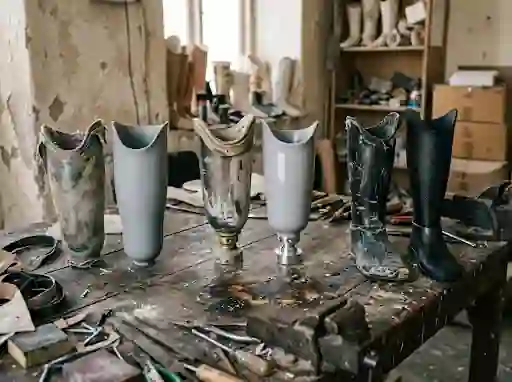
The biggest ongoing cost in the early years is the socket. The stump shrinks for a year or more after surgery, so the first socket often becomes loose within months, and a second, sometimes a third, follows before the stump settles. After that, sockets last longer, and the main costs are liners, feet and the occasional repair.
Ways to keep upkeep down
- Wear a shrinker and keep your weight steady; both help the socket last longer.
- Wash and dry liners daily and rotate two in summer; they last longer.
- Fix small problems early, such as a torn foot shell or a loose bolt.
- Choose parts for how you really walk; premium parts on a home walker add upkeep without much benefit.
- Keep follow-up appointments; adjusting a leg is cheaper than replacing it.
Repair or replace?
A torn foot shell, a worn strap or a loose bolt is a small repair. A socket that is too big, a foot that has gone flat or a liner that has thinned is usually better replaced, because patching it costs nearly as much and does not last. With knees, servicing often restores a worn knee for a fraction of the price of a new one. We compare repair and replacement in every estimate, so you can decide with the figures in front of you; see repairs.
Planning with family, at home or abroad
Many families plan the first leg and forget the second year. If a son or daughter abroad is helping, it is worth agreeing a small yearly amount for sockets and liners from the start. We can share the written estimate and a simple upkeep plan on WhatsApp so everyone sees the same figures.