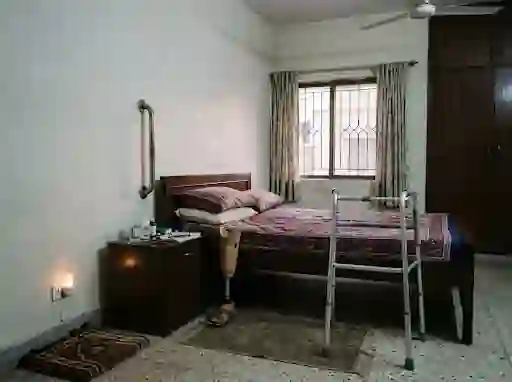
Your role in the first months
In the first months, your parent is learning a new skill while getting used to a changed body. Your job is to make practice safe and regular, to notice problems early, and to keep their spirits up. It is also to step back: doing everything for them slows their progress.
Helping put the leg on
- Your parent sits on the bed or a sturdy chair
- Help roll the liner on without wrinkles, or put on the right number of socks
- Guide the stump into the socket and check it is fully in, listening for the click with a pin lock
- Check the shoe is on properly before they stand
Ask us to show you at the fitting; it quickly becomes routine.
The daily check
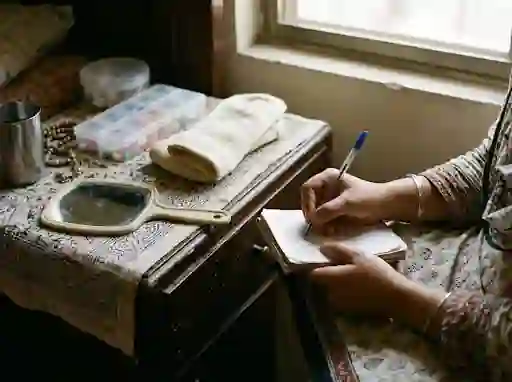
Every evening, look at the stump with a mirror or a phone torch: red marks should fade within twenty minutes of the leg coming off. Check the other foot too, especially if your parent has diabetes, for cuts, blisters or colour changes. Wash and dry the liner. Two minutes a day prevents most problems.
Making the home safe
- Remove loose rugs and clutter from walkways
- Fit grab rails by the bed and in the bathroom
- Add a night light on the way to the toilet
- Use a stool for wudu and a non-slip mat in the bathroom
- Move the bedroom to the ground floor in the first months if stairs are hard
Encouragement without over-helping
Praise effort, not perfection. Encourage short practice sessions several times a day, and celebrate small goals: standing for namaz, walking to the gate, sitting with the family at dinner. If your parent becomes discouraged or stops wearing the leg, ask why; pain, fear of falling or a poor fit are common and fixable reasons.
If you live abroad
If you are helping from abroad, join the key calls by phone or video, ask a relative nearby to attend the visits, and ask for a short video of your parent walking now and then; it helps us spot problems between visits. See arranging from abroad.