Training and experience
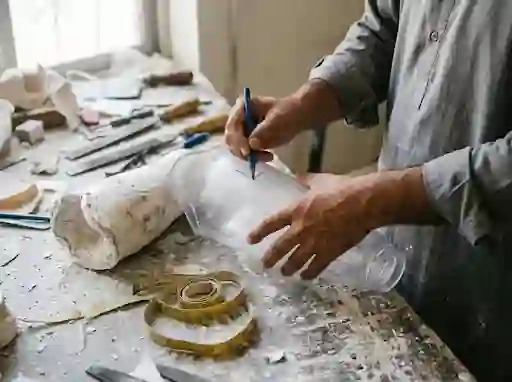
A prosthetist should have formal training in prosthetics and orthotics, such as a degree in prosthetic and orthotic sciences, and experience with your level of amputation. It is reasonable to ask where they trained and how many legs like yours they have fitted.
Questions to ask any clinic
- Who will examine me, cast the socket and fit the leg?
- Will there be a test socket before the final one?
- Which foot, knee and liner are you quoting, by name?
- Is walking training included?
- Are follow-up adjustments part of the price?
- What happens when the stump shrinks and the socket gets loose?
- Can I have the estimate in writing?
Warning signs
- A price given without anyone examining the stump
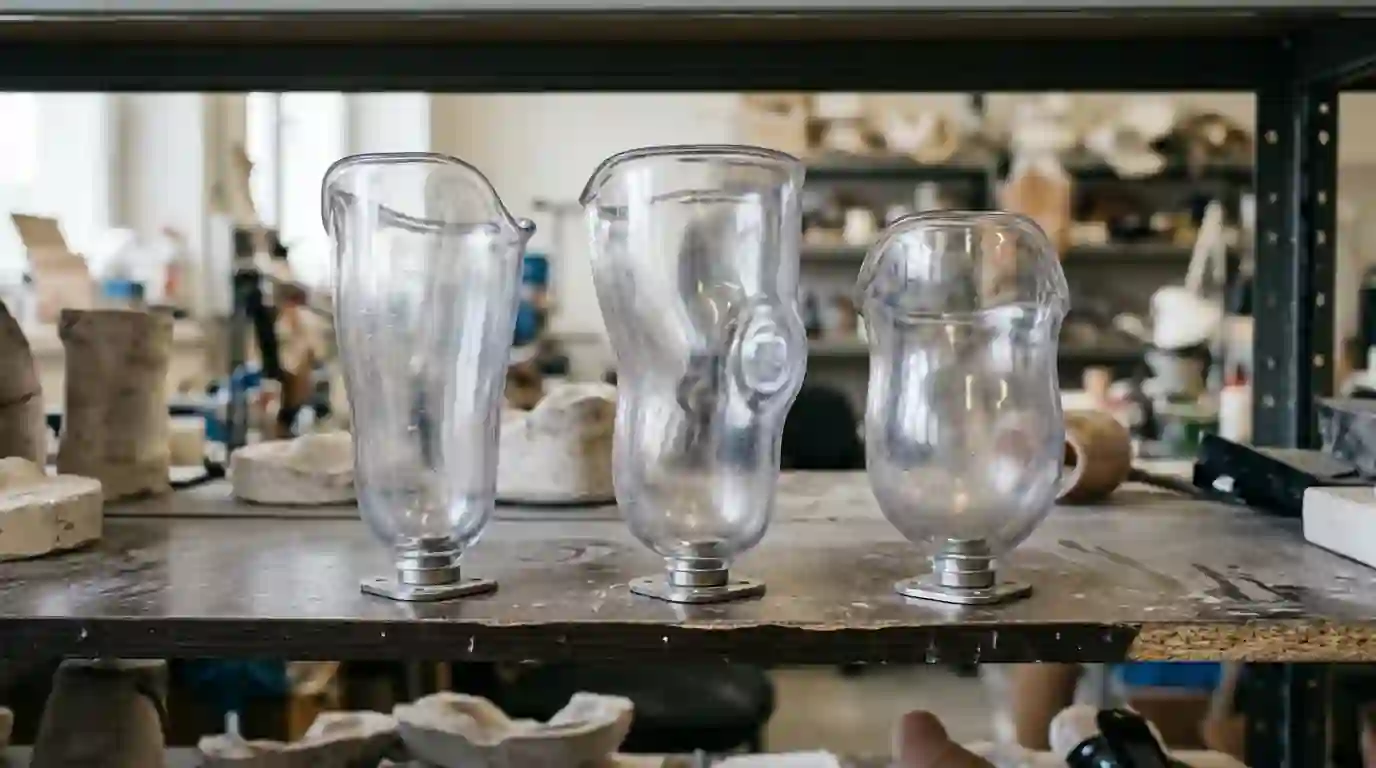
- No test socket, or a ready-made socket for every patient
- Pressure to choose expensive imported parts on the first visit
- Claims that a leg will be painless from day one
- No clear answer about who to call when something goes wrong
Comparing prices fairly
Two quotes are only comparable if they include the same steps and parts. A cheaper quote may leave out the test socket, training or follow-ups, or use a different foot. Ask for the parts by name and the steps in writing, then compare like with like. Our cost guide shows typical ranges.
Follow-up matters as much as fitting
The first weeks with a new leg bring small changes in fit as the stump settles. A good clinic expects this and makes adjustments easy. Ask how follow-ups work and how quickly you can be seen if something hurts.
How we answer these questions
Our clinician, Ummad Shafique Mughal, is a Consultant Orthotist and Prosthetist with a BS (Hons) in Prosthetic and Orthotic Sciences from PIPOS and Khyber Medical University. Every leg we make starts with a free assessment, goes through a test socket and comes with walking training and a written estimate. We are independent of every manufacturer, and we will tell you when a simpler leg will serve you as well. A second opinion is always welcome.