Skip to content
Artificial LegPakistan اردو

Patient guide

The first weeks after a leg amputation

The weeks between surgery and the first leg are not waiting time; what happens in them decides how soon you walk and how well the socket fits. This guide covers the stump, the joints, the body and the mind.

  • Free first assessment
  • Firm price in writing
  • Answered 24/7

Reviewed by Ummad Shafique Mughal, Consultant Orthotist and Prosthetist. Updated October 2026.

In short

What should you do in the first weeks after a leg amputation?

The short answer

Let the wound heal and follow your surgeon's advice on dressings. As soon as the surgeon allows, start controlling swelling with a shrinker sock. Keep the knee and hip straight, lie on your front for a while each day, and keep your arms and other leg strong.

Most people are ready for a first fitting about six to eight weeks after surgery, sometimes later after diabetic surgery. Book the free assessment once the wound has closed.

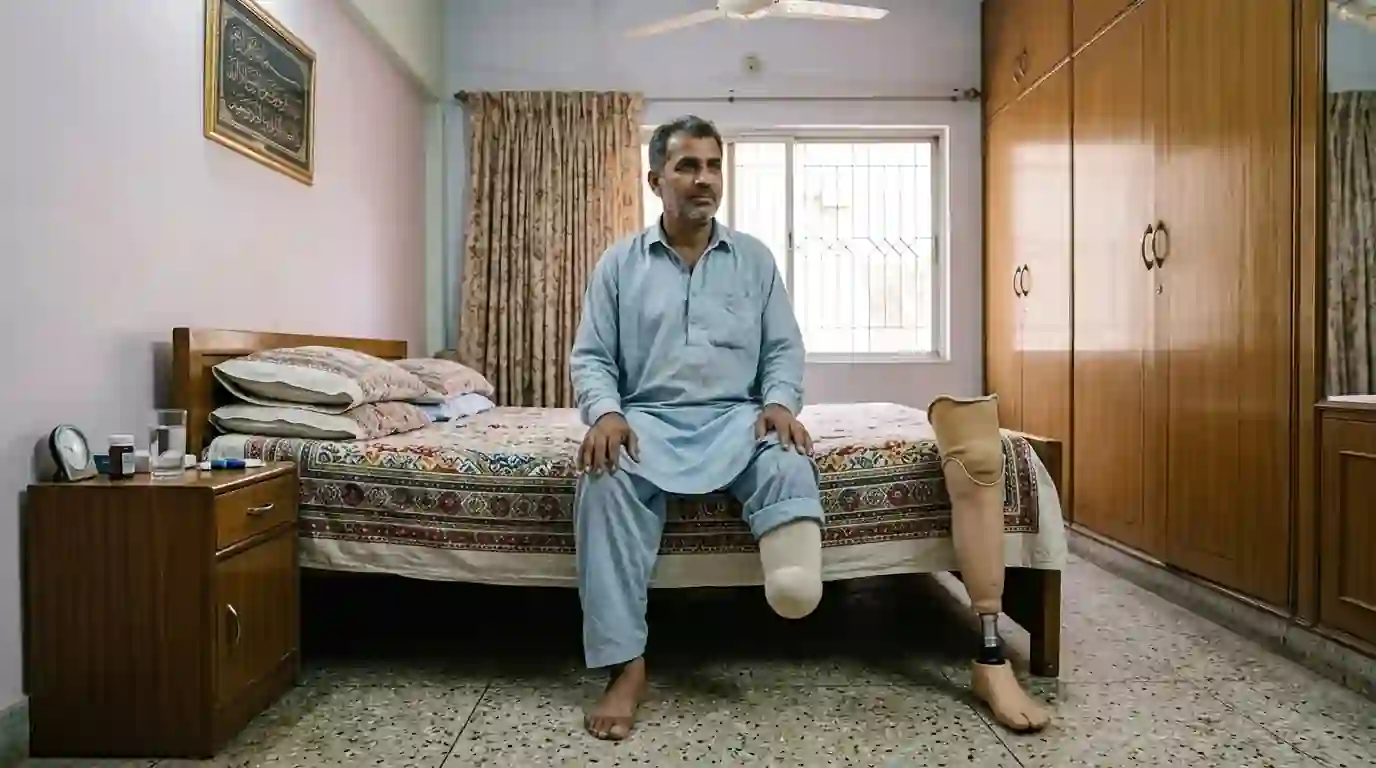
A man sitting on his bed with a shrinker sock on his below knee stump
The weeks before the leg matter

The first two weeks: the wound

The surgeon and the ward team look after the wound first. Keep dressings clean and dry, take pain medicine as prescribed, and rest. Call the surgeon at once if you see spreading redness, heat, discharge, a bad smell, the wound opening, or if you develop a fever.

Controlling swelling

Swelling is normal after surgery, and bringing it down is the first step towards a socket. When your surgeon allows compression, a shrinker sock worn most of the day and night is usually simpler and safer than elastic bandage wrapping, which is easy to get wrong.

Keeping the joints straight

The biggest avoidable problem in these weeks is a knee or hip that stiffens in a bent position. It feels comfortable to put a pillow under the knee or sit with the leg bent for hours, but a joint that will not straighten makes walking on a leg much harder. Lie on your front for a while every day, and after a below knee amputation keep the knee straight when sitting, for example on a board across the chair seat.
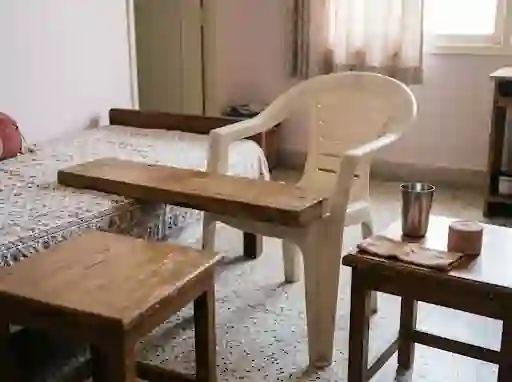
A board across a chair seat for keeping the knee straight, with a shrinker sock nearby
Keeping the knee straight while sitting matters

Staying strong

Strong arms help with crutches, a walking frame and getting in and out of bed. A strong other leg carries you until the artificial leg arrives, and a strong hip on the amputated side will control the leg later. Simple daily exercises, done as your surgeon or physiotherapist advises, keep you ready. Be careful on bathroom floors and at night; falls in these weeks can damage the healing wound.

The mind and the family

Losing a leg is a loss, and feeling low, angry or anxious is common. Feeling the missing leg, even pain in it, is normal too; our guide to phantom limb pain explains why. Talk to your family and your doctor, and tell your doctor if your mood stays very low. Most people find their outlook improves once they are standing again.

When to book the first fitting

When the wound has closed and the swelling is settling, send us a photo of the stump on WhatsApp. We will tell you whether it looks ready and book the free assessment. If the stump is still shrinking, a temporary leg can get you standing sooner.

Questions

Questions people ask

How soon can I get an artificial leg after amputation?

Often six to eight weeks after surgery, once the wound has closed and the swelling has settled. After diabetic surgery it can take longer. A temporary leg can sometimes start earlier.

Why should I not put a pillow under my knee?

Because it lets the knee stiffen in a bent position, and a knee that will not straighten makes walking on an artificial leg much harder.

Is it normal to feel the missing leg?

Yes. Most people feel the missing leg for a while, and many feel pain in it. It usually eases with time.

When should I call the surgeon?

If you see spreading redness, heat, discharge, a bad smell or the wound opening, or if you develop a fever. Do not wait for the next appointment.

Related

Read next

Temporary leg

Standing sooner while the stump is still shrinking.

Read more

WhatsApp

Questions about your own leg? Ask us

Fill this in and WhatsApp opens with your message ready to send. Add a photo of the stump in the chat if you can; it tells us more than any description.

  1. Fill in what you know. Leave anything you are unsure about blank.
  2. Send it on WhatsApp and attach a clear stump photo from the front and the side.
  3. We reply with the options, the likely price range and the next step.

Prefer to talk? Call +92 337 841 4002 at any hour.

Opens WhatsApp on your phone or computer. Nothing you type here is stored on this website.

CallWhatsApp