Skip to content
Artificial LegPakistan اردو

Patient guide

Phantom limb pain: what it is and what helps

Most people feel the missing leg after an amputation, and many feel pain in it. It is real, it is common, and it usually eases with time. This guide explains why it happens and the things that help.

  • Free first assessment
  • Firm price in writing
  • Answered 24/7

Reviewed by Ummad Shafique Mughal, Consultant Orthotist and Prosthetist. Updated October 2026.

In short

What is phantom limb pain?

The short answer

Phantom sensation is feeling the missing leg as if it were still there: tingling, itching, warmth or the feeling of moving toes. Phantom pain is pain felt in the missing leg, such as burning, cramping or shooting pain. Both come from the brain and nerves, not from imagination.

For most people they become less frequent and less intense over months. Mirror therapy, touching the stump, wearing a shrinker or a leg, staying active and, where needed, medicine from your doctor all help.

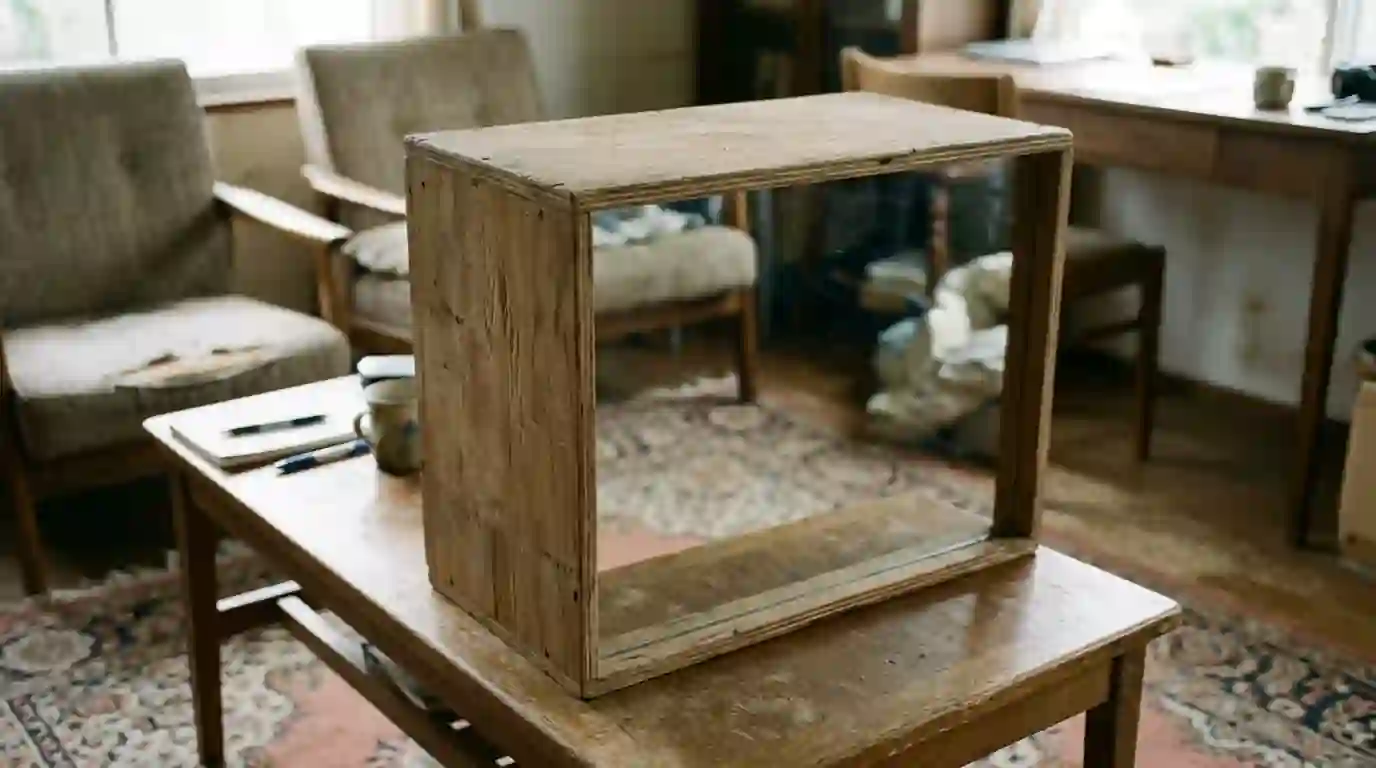
A plain wooden mirror box on a low table in a calm sitting room
Mirror therapy is one of the things that can help

Phantom sensation and phantom pain

Feeling the missing leg is so common that it is almost expected. Many people feel their toes, the shape of the foot or the position of the knee. Some feel the leg at a strange length, or shrinking over time. Phantom pain is different: it hurts. It can come and go, and may be worse at night, in cold weather or when you are tired or stressed.

Why it happens

The brain keeps a map of the whole body. After an amputation, the part of the map for the leg is still there and still active, and the cut nerves in the stump keep sending signals. The brain reads these as coming from the missing leg. It is not imagined, and it is nothing to be embarrassed about.
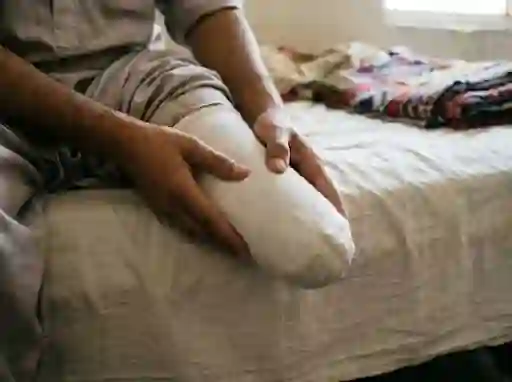
Hands gently massaging a below knee residual limb in a cotton sock
Gentle touch helps many people

What can help

  • Mirror therapy: watching the reflection of the sound leg move in a mirror placed where the missing leg would be
  • Touch: gently massaging, tapping or rubbing the stump once it has healed
  • Compression: a well-fitted shrinker sock
  • Wearing the leg: many people find phantom pain eases once they walk on a leg
  • Warmth and rest: keeping the stump warm and avoiding exhaustion
  • Medicine: some medicines help nerve pain; only your doctor should prescribe them

Stump pain is different

Pain felt in the stump itself, rather than the missing leg, often has a physical cause: a pressure point in the socket, a sensitive nerve end (a neuroma) or a skin problem. If the pain is worse when the leg is on, the socket may need adjusting; come in and we will check it.

When to speak to your doctor

Speak to your doctor if phantom pain stops you sleeping, gets worse rather than better over the months, or affects your mood. Do not take other people's medicines or increase doses yourself. Pain specialists can help with pain that does not settle.

Questions

Questions people ask

Is phantom limb pain real?

Yes. It comes from the brain and the nerves, not from imagination, and it is very common after an amputation.

Will phantom pain go away?

For most people it becomes less frequent and less intense over the months after surgery. For some it lasts longer, and a doctor can help.

Does wearing an artificial leg help?

Many people find their phantom pain eases once they are walking on a leg, though not everyone.

Can medicine help phantom pain?

Some medicines help nerve pain, but only your doctor should prescribe them and set the dose.

Related

Read next

WhatsApp

Questions about your own leg? Ask us

Fill this in and WhatsApp opens with your message ready to send. Add a photo of the stump in the chat if you can; it tells us more than any description.

  1. Fill in what you know. Leave anything you are unsure about blank.
  2. Send it on WhatsApp and attach a clear stump photo from the front and the side.
  3. We reply with the options, the likely price range and the next step.

Prefer to talk? Call +92 337 841 4002 at any hour.

Opens WhatsApp on your phone or computer. Nothing you type here is stored on this website.

CallWhatsApp