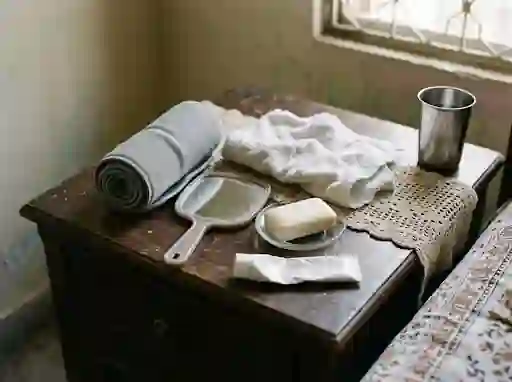
The daily skin check
Every evening, take the leg and liner off, wash and dry the stump, and look at all of it with a hand mirror, especially the back and the end. Feel for warm spots. If you have diabetes or reduced feeling, ask a family member to look too. Two minutes a day catches problems before they become sores.
Red marks and pressure spots
Some redness after wearing the leg is normal and should fade within about twenty minutes. A mark that stays longer, sits over a bone, or looks darker each day is a pressure spot: the socket is pressing too hard there, often because the stump has changed. Do not wait for it to break down; call us and we will relieve the socket.
Blisters and rubbing
Blisters usually mean the stump is moving in the socket, or a sock or liner is wrinkled. Do not burst them. Rest the leg until the skin heals, keep the area clean and dry, and come in so we can find the cause: a loose socket, the wrong number of socks or a worn liner.
Sweat rash, ingrown hairs and boils
Heat and sweat inside a liner can cause rashes and infected hair follicles, which look like small red bumps or boils. Wash and dry the stump and the liner every day, dry the liner at midday in summer, and avoid shaving the stump, which tends to cause ingrown hairs. See a doctor for boils that grow or spread. Our guide to heat and sweat has a routine.
Swelling at the end of the stump
If the end of the stump does not touch the bottom of the socket, swelling can build up there, and the skin may become dark, thickened or weepy. It usually means the socket fit needs attention. Come in early; this is much easier to treat when it first appears.
When to see a doctor
- An open sore that does not heal within a few days
- Spreading redness, heat, swelling or pus
- A fever with a painful stump
- Any wound on the stump or the other foot if you have diabetes
See your doctor for infection, and call us so we can fix the cause in the socket.